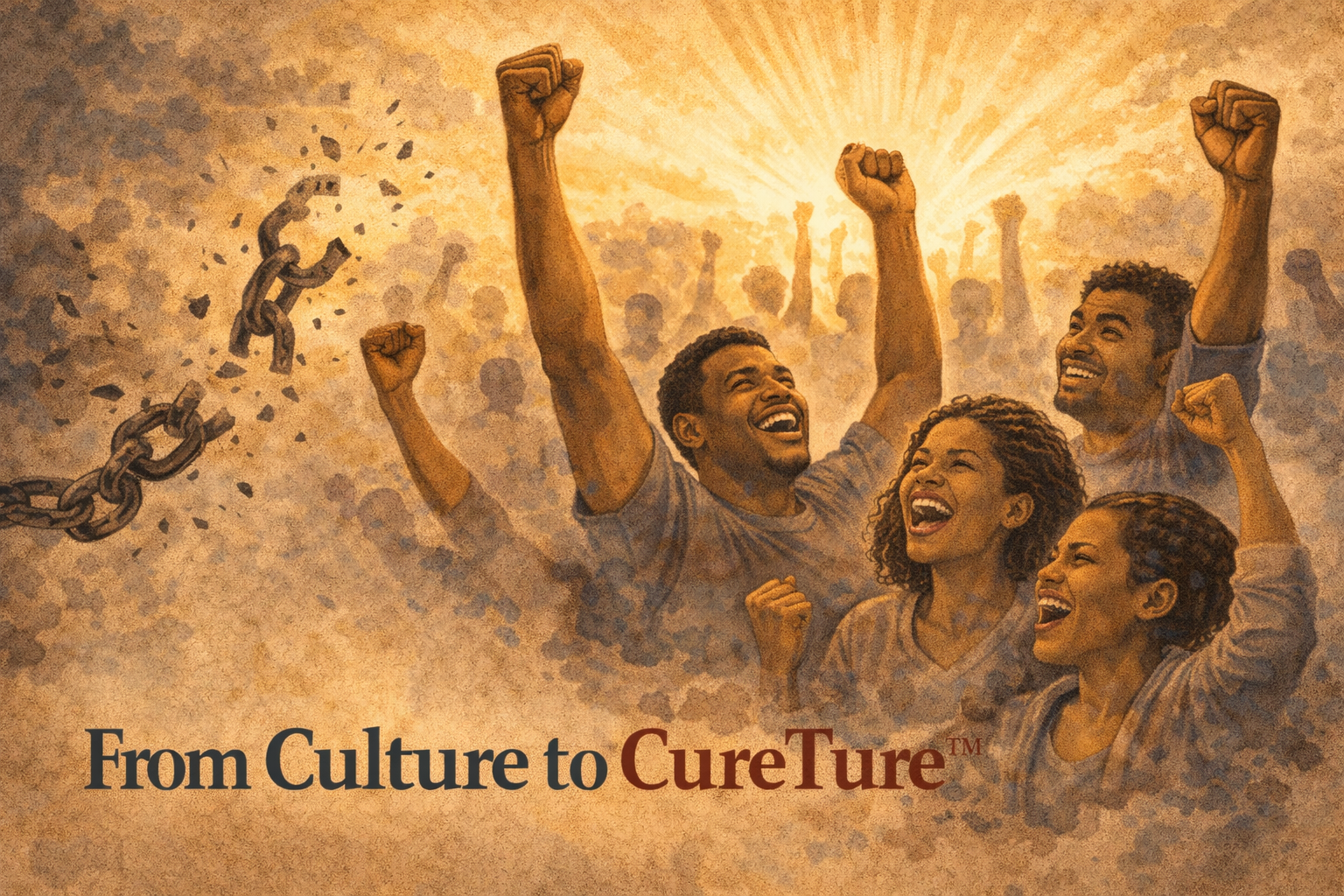
Environments; Built and mental
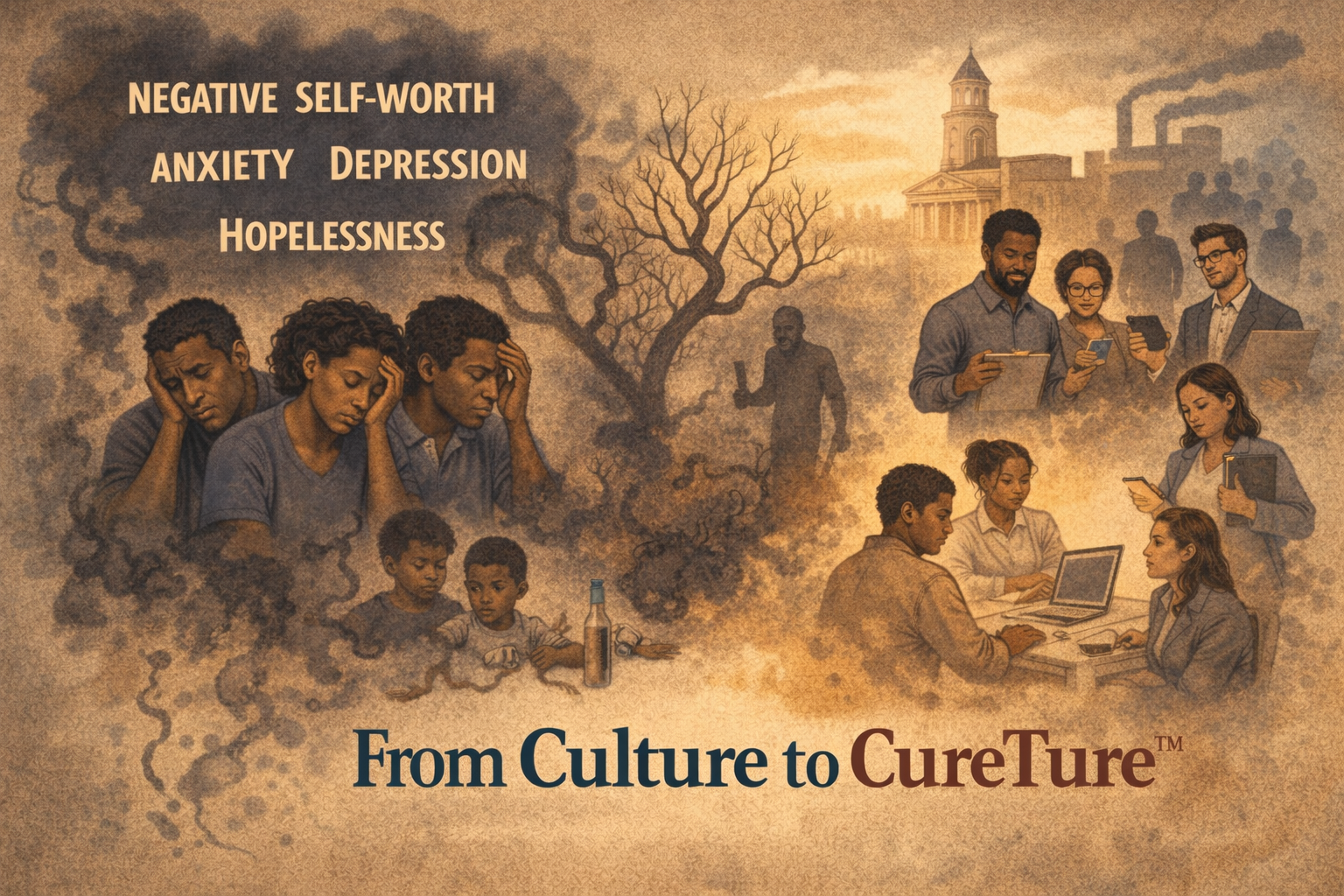
Part I – Real Life
Growing up, even before the poise of education cemented logic, rational methods to form coherent thought, make evaluations and communicate, there was - a natural curiosity for exploration and truth, coupled with an innate sense to self-preserve.
Before I learned about finance & economics, sociology & religion, DNA, genomics, immunology and other biology and medical science subdisciplines, there were things that I instinctively knew were “off” with mainstream behavior within my community.
Drugs, including alcohol seemed immediately dangerous to me before anyone uttered a word about the risks of consumption. Putting any of it into my body or even being around people who used them (any use is abuse) felt wrong to me. My heart goes out to all people who have become addicted. I pray for your delivery.
Imagine telling people who drink alcohol not to drink. Despite nearly infinite scientific validation, there is opposing perspective offering rationale for the choice. In fact, the same human behavioral phenomenon exists with almost any activity a person wants to defend, including acts of violence, invasion, and colonization. There is no bottom to human ego. People find a way to lie to themselves and no one, including me, is exempt.
Now imagine a world where this whormongery permeates every aspect of life. Imagine if at every turn there was neglect and harm being done on unlimited scale with no ray of hope for escape for victims and vulnerable populations. Imagine people eating poison. Imagine trees and shrubberies, instead of being the natural partners of earthly beauty providing shade and fruit, serving as tools for ambush concealing the evil of man, waiting to attack and mutilate any innocence walking by.
Imagine children being told lies so blatant that even their logic is magic - built of fleeting evidence at best, no truth - the absolute art of deception.
Even deeper, imagine parents, so consumed by the lies, whose spiritual essence were so completely dissolved into the petri dish, that they upheld the lies face to face with young inquiring minds of their own flesh!
Can you dream of a state of being where people have abandoned the natural instincts of self-preservation - the absolute most basic instinct of life, and live together with other mentally imprisoned bodies in an environment as far as the physical eye can see?
All this, and strangely, heaven is on the other side of life, yet this is hell, and we don’t have to die to live it.
Part II. – The View from the Ivory Towers
In academic talk, this phenomenon sounds less “scary.” The version below, however serious, gives people a way to discuss the horror without having to see it too close. It makes me wonder if our professionals should be required to experience field work before they are endowed with the almighty terminal degrees with only a book version of understanding. Anyway…
This is how truth sounds when we discuss it as professionals…
Research confirms that living around people who have been mentally conditioned to think less of themselves—a phenomenon often described through the lenses of internalized oppression, chronic low self-esteem, or social contagion—has significant negative impacts on the mental and physical health of others.
This social environmental factor functions as a "social pollutant," where shared negative self-perceptions, anxiety, and learned helplessness are transmitted within families, workplaces, and communities. It has even been confirmed to transmit generationally (we’ll discuss later).
Here is a breakdown of how living around individuals with low self-worth impacts others:
1. Social Contagion of Negative Affect
Energetic Exchange: Research in social psychology suggests that in close relationships, the mental states (anxiety, depression, low self-worth) of one person are "projected" and absorbed by those around them, like a "sponge". [So be careful when selecting with whom you spend your time]
Downward Spiral: People with low self-esteem may, through sulking, whining, or demonstrating excessive sadness, create a "domino effect" that lowers the mood and self-worth of those in their immediate environment. [these are why I see such group fear, self-defeat, and other detrimental emotional issues when talking to entire religious groups – despite the vocalized messages of “hope” from the pulpit].
Normalization of Worthlessness: In communities suffering from systemic discrimination, individuals may collectively accept negative stereotypes, creating a shared environment where low self-worth becomes the social norm. [this is why it is often difficult to get some subgroups to believe that they can develop their own…]
2. Impact on Relationships and Social Dynamics
"Rejection Sensitivity" Dynamics: People with low self-esteem often fear rejection, leading to behaviors that sabotage relationships, such as excessive people-pleasing, inability to set boundaries, or conversely, aggression.
Interpersonal Stigma: Internalized shame and the fear of being judged can lead to social withdrawal, reducing the overall quality of social connections and support networks within a community. [but this withdrawal is not from mainstream oppressors but instead, a clustering of oppression pods demonizing others within and of their same condition and profile].
Burden on Partners/Family: Those living with someone who feels unworthy often take on the burden of providing constant validation, which leads to chronic stress, resentment, and a decline in their own emotional resilience. [Burnout]
3. Impact on Community and Collective Efficacy
Disruption of Collective Action: Internalized oppression causes individuals to mistrust others in their own group, weakening community cohesion and making it difficult to stand together for change.
Reduced Community Potential: When a community has low collective self-esteem, members may shy away from leadership roles and fail to support one another, creating a "domino effect" that impacts overall community welfare.
Workplace Impact: In professional settings, individuals with low self-worth may not share ideas, which can lead to a tense work environment and reduced productivity, affecting the mental health of colleagues.
4. Direct Health Consequences for Others
Emotional Contagion: Proximity to people with chronic low self-esteem can lead to increased anxiety, depression, and hopelessness in others.
Physical Health Risks: The chronic stress resulting from managing relationships with individuals who are "conditionally" devalued can contribute to high blood pressure, fatigue, and other stress-related illnesses.
Contextual Factors
Systemic Origins: This, "mental conditioning" is often the result of long-term structural racism or institutionalized discrimination, which can create a "culture of silence" and lower self-esteem across entire demographics.
Buffering Factors: Interestingly, research shows that building collective racial self-esteem or strong, positive social networks can act as a buffer, mitigating the negative impacts of internalized, oppressive, or low-worth environments.
In summary, research indicates that mental and emotional states are not contained within the individual; they are highly infectious in social environments, meaning that living among those who have been conditioned to devalue themselves can directly undermine the mental health of others.
HENCE….Here we identify and adopt new behavioral habits that enables our better, longer lives!
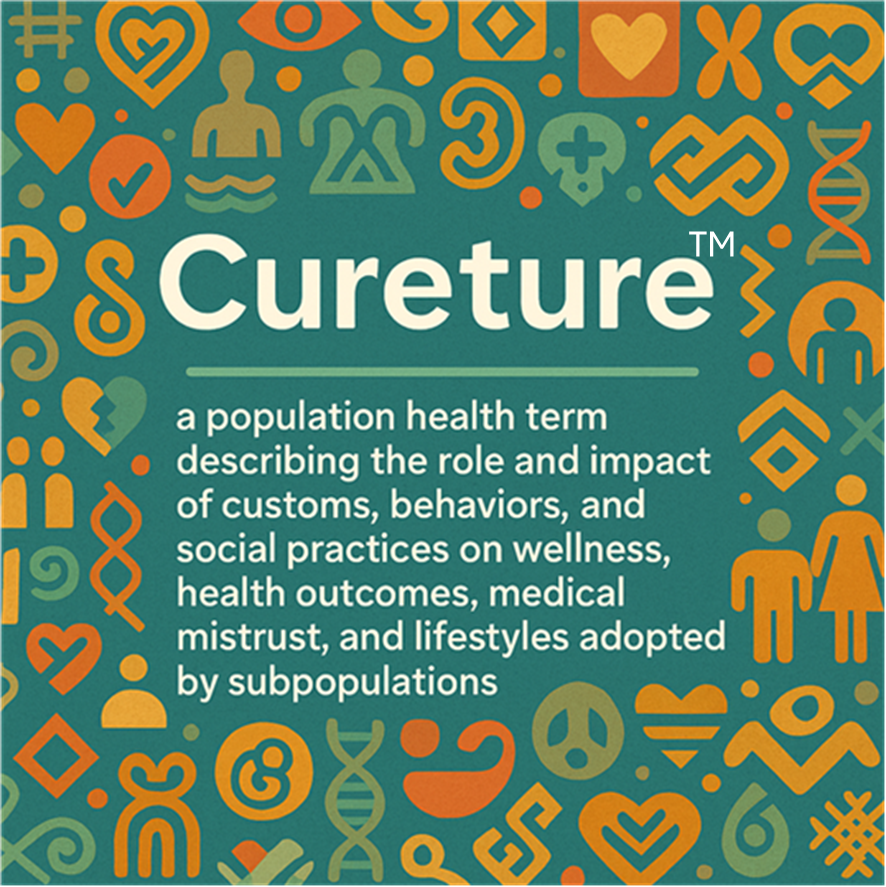
From Culture to CuretureTM